- HOME
- Services
- SILVER&GEMS
- EVIL EYE&SILVER
- RAW GEMSTONES
- COPPERS ITEMS
- OILS & COLOGNES
- ROOTS,HERBS&SEEDS
- (Vii) GREAT TESTIMONIES
- (i) GREAT TESTIMONIES
- (ii) GREAT TESTIMONIES
- (iii) GREAT TESTIMONIES
- (IV) GREAT TESTIMONIES
- (V) GREAT TESTIMONIES
- (Vi) GREAT TESTIMONIES
- POWERFUL SECRET KEYS
- TEACHINGS BLOG
- TIME WITH MASTER CONNI
- SUPPORT THE LIGHT,MAKE A DONATION
- WRITE TO US
- ADRESS
- GALLERY
The Significance of Prayer Mats in Islamic Culture
Introduction to Prayer Mats
Prayer mats, or "Sajjada" in Arabic, hold a special place in Islamic culture. These mats are more than just functional items; they are steeped in religious significance and cultural heritage. Used by Muslims during their daily prayers, these mats symbolize purity, discipline, and devotion.
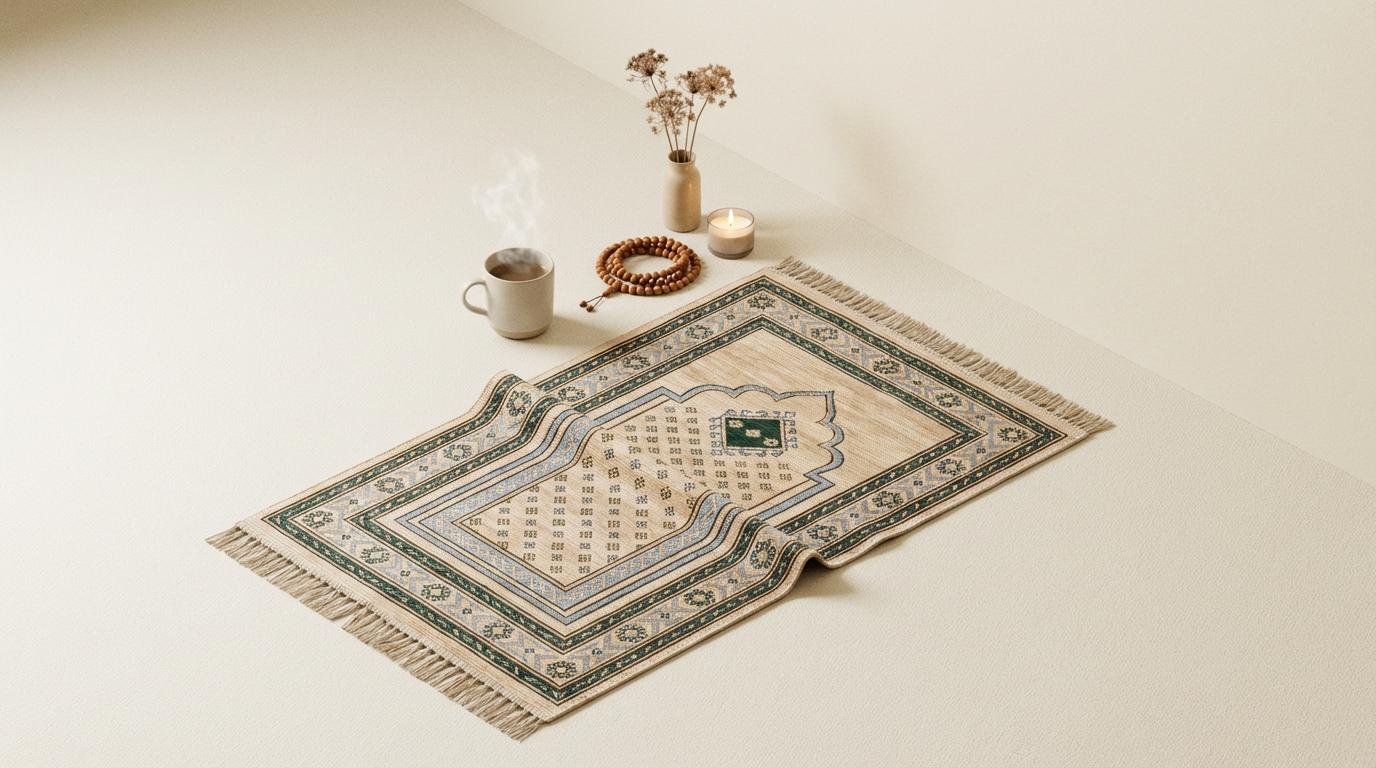
Prayer mats are commonly made from materials such as wool, cotton, or silk, and are often adorned with intricate designs and patterns. These designs are not merely decorative but are imbued with cultural and spiritual meanings.
The Design and Symbolism
The designs on a prayer mat can vary significantly, reflecting the diverse cultures within the Islamic world. Common motifs include geometric patterns, floral designs, and representations of mosques. These visual elements serve as a reminder of the beauty and order of creation, aligning the worshipper's focus on their spiritual journey.
Traditional prayer mats often feature a mihrab design, resembling the niche in a mosque wall that indicates the direction of Mecca. This is a crucial aspect, as it assists worshippers in orienting themselves correctly during prayer.
Materials and Craftsmanship
The choice of materials and craftsmanship in prayer mats also holds cultural significance. High-quality materials and intricate handiwork reflect the reverence with which prayer is approached. In many cultures, owning a finely crafted prayer mat is considered a sign of respect for the practice of prayer.
Cultural Variations
Across the Islamic world, prayer mats exhibit a rich tapestry of cultural variations. In Turkey, for example, prayer mats are renowned for their exquisite craftsmanship and detailed patterns. In contrast, Indonesian prayer mats might feature more simplistic designs but are often vibrant and colorful.
Prayer Mats as Gifts
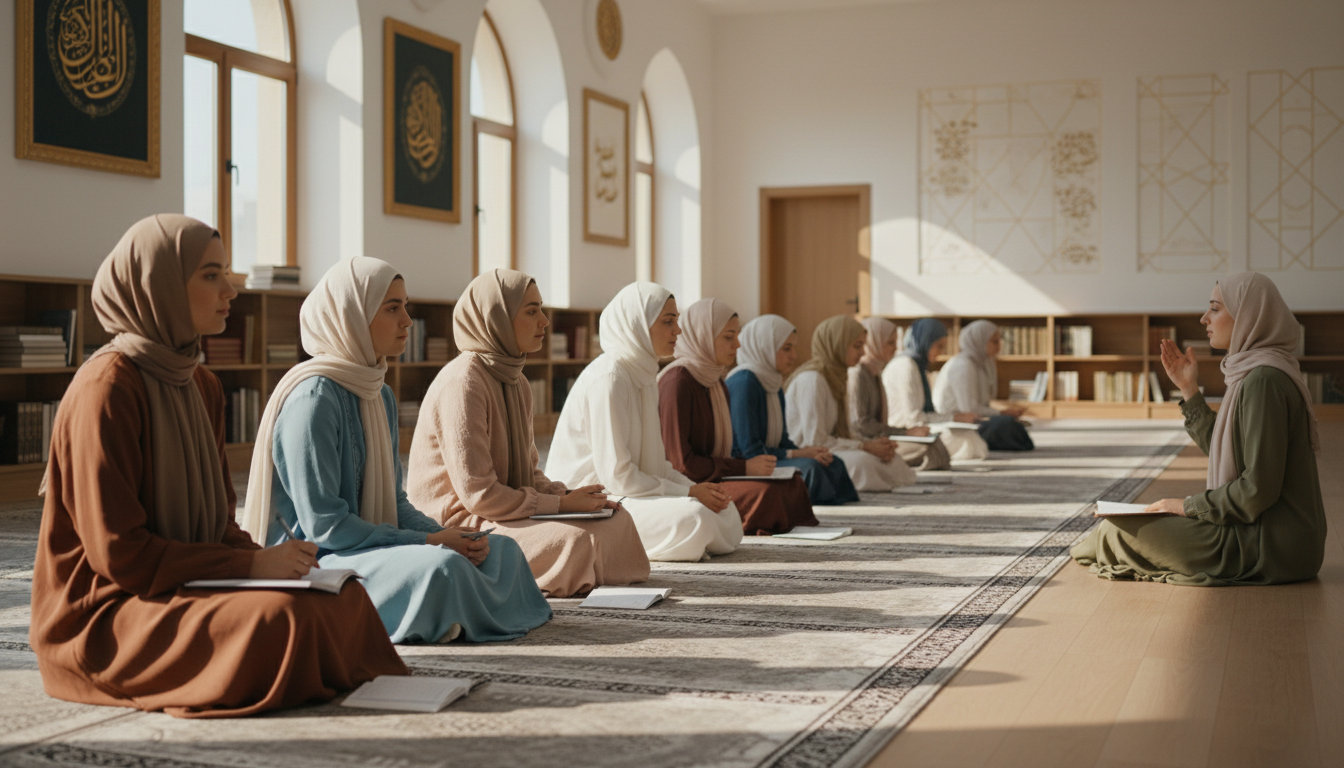
Prayer mats also play a role in social and cultural contexts. They are often given as gifts during religious occasions such as Eid or on the occasion of Hajj. The act of gifting a prayer mat is a gesture of goodwill and a reminder of shared faith and community.
The Role of Prayer Mats in Daily Life
For many Muslims, the prayer mat is a constant companion throughout their daily lives. It serves as a personal space for reflection and communion with the divine, creating a sense of peace and focus. The regular use of a prayer mat helps cultivate a disciplined approach to prayer and personal spirituality.
Whether simple or elaborate, each prayer mat carries its own story and significance, deeply interwoven with the life and faith of its owner. This profound connection underscores the enduring importance of prayer mats in Islamic culture.